
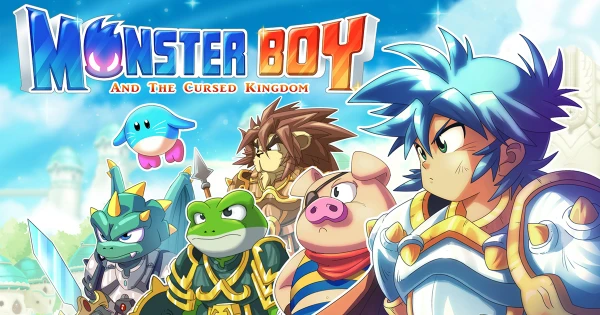
Monster Boy and the Cursed Kingdom for iPhone: Six Forms and Their Hidden Routes
In Monster Boy and the Cursed Kingdom, a blocked passage is often a promise rather than a dead end. Jin’s adventure across an interconnected fantasy kingdom centres on six playable forms: pig, snake, frog, lion, dragon and, eventually, human. Each changes not only how he fights but also which doors, ledges and concealed rooms he can reach. Understanding what each transformation can do is the simplest way to find more of the game’s treasures without wandering around aimlessly.
How the Pig and Snake Reveal the First Hidden Passages
The six forms do not arrive together. Jin begins his journey with human abilities, is cursed into a pig, and gradually gains other transformations as the adventure progresses. That sequence matters: an obstacle that appears impossible during the first visit may have a straightforward solution several hours later. Rather than treating every inaccessible corner as a puzzle to solve immediately, pay attention to its shape. A strange patch of air, a low tunnel or a wall covered in moss usually tells you more about the missing ability than any signpost could.
The pig’s sensitive snout lets Jin investigate small wisps of smoke or mist that can conceal doors, switches, hints or useful items. The Sewers provide an early demonstration, with a hidden doorway leading towards a route around the room and another concealed spot revealing a valuable magic truffle. These truffles increase the number of times Jin can use particular spells, so finding them has a practical benefit well beyond collecting everything. The pig also handles magic particularly well, though its short-range punch and inability to wear conventional armour make careless fighting risky.
Once Jin gains the snake form after the Big Venom encounter, narrow openings become possible routes. Its slender body can enter tiny passages that other forms cannot fit through, while moss-covered walls offer surfaces it can climb. The snake’s venom also gives it a way to deal with enemies while moving through these cramped spaces. It cannot simply replace a heavily equipped fighter, however. Use it to reach restricted areas, then consider changing form when the route opens into a more demanding battle.
Why the Frog Makes High Ledges and Distant Switches Reachable
The frog changes exploration from squeezing through gaps to crossing them. Its long tongue attaches to designated rings and handles, allowing Jin to swing, launch himself across wide spaces and reach ledges that ordinary jumps cannot clear. Some of these anchors are visible long before the frog transformation becomes available. Once the frog is unlocked, those apparently decorative fittings become part of the route.
The same tongue has uses beyond travelling through the air. It can interact with certain distant objects and mechanisms, including items or handles that sit beyond a safe jumping distance. The frog is also comfortable in water, adding flexibility where a room combines submerged sections and raised exits. Unlike the pig and snake, it can make use of a broad selection of weapons and protective equipment, which means returning to a previous area need not involve sacrificing combat strength.
Returning to the Sewers with the frog demonstrates the advantage clearly. Grappling and launching points that were once inaccessible now connect parts of rooms, while earlier routes can lead towards additional chests and equipment pieces. Take a moment to look above and below each tongue anchor before using it; the intended exit is not always the only destination. If a landing still seems too distant, approach the handle from another ledge instead of assuming the jump requires perfect timing.
How the Lion, Dragon and Human Open the Hardest Routes
The lion’s powerful charge travels quickly, strikes enemies and breaks particular blocks, making it useful for passages obstructed by rock or other destructible material. A downward sword attack can also smash through suitable floors, exposing routes hidden beneath the main path. Charging consumes stamina, so an unsuccessful attempt is not always a sign that the obstacle is impossible; Jin may simply need a better starting position or a moment to recover. Later, the Lion Talisman adds an upward charge, which is particularly important in the Volcano, where blocked shafts and higher exits would otherwise remain inaccessible.
The dragon approaches the same world from above. Flight allows Jin to cross large gaps, rise towards high doorways and inspect ceilings that once seemed safely out of reach. Fire projectiles also clear certain obstacles and activate mechanisms, giving the form a role in puzzles as well as aerial combat. Early flight is limited by a resource meter, so a long crossing benefits from planning a place to land or spotting opportunities to refill it. Regaining the Dragon Talisman later expands what this form can do, including sustained use of its fire breath.
Although the adventure begins with him as a human, regaining that form with its later abilities is a significant milestone. His special dash allows rapid movement through dangerous spaces and is especially valuable for avoiding hazards during the late-game Dark Realm sections. Human Jin can also use weapons, armour and magic, making him a versatile choice when combat and traversal meet. Still, his dash cannot reveal the pig’s concealed clues, cling to the snake’s mossy walls or catch the frog’s rings.
Combining Forms Is Often the Real Solution to a Puzzle
The Volcano offers a memorable example: an upward lion charge reaches an elevated area, but progressing still requires the frog’s tongue to handle a cog after dealing with a lava obstacle. The route is not solved by acquiring one new power; it depends on recognising what each character can contribute. Use the form that removes the first obstruction, then reassess the room rather than forcing the same move to solve everything.
In Castle of Lupia, a demanding sequence involves using the lion to dash upwards, switching to the snake for moss-covered surfaces, reaching a mechanism with the frog’s tongue and finally flying towards an exit as the dragon. This also explains why practising transformations matters when there is no immediate danger. Knowing which character fits an opening is useful; being able to switch calmly before landing near spikes or moving machinery is what turns that knowledge into progress.
Equipment and magic add a second layer to these combinations. A sword with an elemental effect, a spell that reaches a distant switch or an upgraded ability can change what is possible even when no new transformation has been earned. The game therefore gives two kinds of clues: shapes associated with a creature, such as moss or grapple rings, and objects associated with an item, such as an elemental barrier or a mechanism beyond melee range. Do not assume every sealed route is waiting for another animal form.
Where to Return for Secret Rooms and Useful Rewards
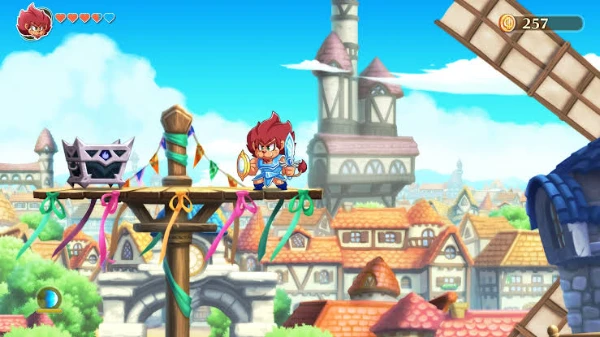
Start by revisiting the earliest areas when your collection of forms grows. In the Sewers, the pig’s snout can reveal hidden doors and truffles, while the frog can make previously unreachable upper paths accessible. One concealed spot behind leaves, reached after obtaining the relevant key, contains a Fire Truffle that increases fire spell capacity. When backtracking, check quiet corners as carefully as places where the game once visibly blocked your progress.
Misty Woods is another rewarding place for a second look. Pig-form sniffing can reveal secret entrances and clues, including routes towards magic truffles. A concealed Super Boomerang Truffle is especially useful because the boomerang can reach targets at a distance and interact with certain mechanisms. If a room contains unusual smoke, hanging objects or an unreachable switch, make a mental note before continuing; those details often identify the next useful form or tool.
Hidden routes are worthwhile because their rewards affect the rest of the adventure. Extra Life Hearts improve survivability, truffles increase spell capacity, gems help strengthen equipment, and pieces of special gear contribute towards valuable upgrades. The interconnected map and fast-travel points reduce the burden of returning to older regions, but they do not replace careful observation inside individual rooms. An efficient approach is to group visits by newly acquired abilities: check mossy passages after unlocking the snake, rings after obtaining the frog and overhead spaces once the dragon can fly.
Exploring on iPhone Without Missing the Important Details
As of 2026, the iPhone release is listed on Apple’s App Store under the shorter name Monster Boy, with FDG Entertainment as the developer. The listing specifies iOS 17.0 or later, an app size of up to 1.9 GB and support for touch controls as well as compatible PlayStation, Xbox and MFi controllers. The original game’s hand-drawn artwork remains a major part of its appeal, but its tiny entrances, faint clues and narrow landing areas still deserve close attention on a smaller screen.
Touch controls make it possible to play without additional equipment, although a controller may feel more comfortable for repeated tongue swings, charged movements or sequences that demand rapid switching. Before ending a session, check the map and remember one or two places that appear to require an ability you do not yet possess. On returning, look for the same visual signs: drifting smoke for the pig, moss and narrow holes for the snake, rings for the frog, breakable barriers for the lion and high routes for the dragon.
The main trick to finding Monster Boy’s hidden paths is to stop thinking of a transformation as just another attack. Each form changes how the environment can be read, and the strongest secrets often ask the player to combine an old skill with a newer one. Begin with obvious clues, revisit areas when a relevant ability becomes available, and look carefully for a second path before leaving a newly reached room. On iPhone, as on other versions, the kingdom becomes richer each time Jin learns a new way through it.