
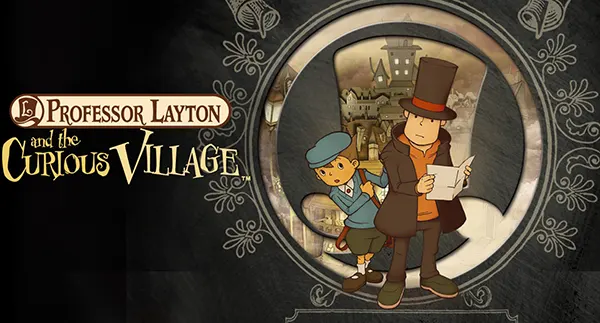
Professor Layton and the Curious Village (Mobile): does the classic still hold up in 2026?
In 2026, mobile ports are judged less by nostalgia and more by how comfortably they fit modern habits: short sessions, offline commuting, and touch-first control. Professor Layton and the Curious Village in HD is a paid mobile remaster on iOS and Android that aims to keep the original DS charm while making the experience practical on a phone. This article looks at what you actually get, what changes on touchscreens, and what to check before buying.
What you’re actually buying on iOS and Android in 2026
The mobile release is sold as a premium, one-time purchase rather than a free download with aggressive gating. That matters because you can expect a complete story and a full set of puzzles without being pushed into repeated spending just to progress. Pricing still varies by region and store, but the positioning is clear: this is a full game purchase, not a “try now, pay later” model.
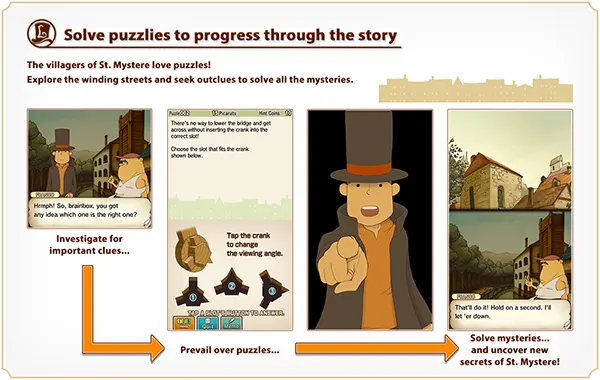
Content-wise, it’s the original first Layton case: Professor Hershel Layton and Luke Triton arrive in the town of St Mystere to investigate a mysterious will and the legend of the Golden Apple. The pace is deliberately steady: you explore scenes, speak to townspeople, and unlock puzzles through investigation rather than being bombarded with disconnected mini-games.
The “HD” label is not just a marketing sticker. The remaster is built to look sharper on modern screens and is presented as an enhanced edition rather than a simple re-release. If you only remember the DS visuals, the cleaner artwork and more legible puzzle panels are typically the first improvements you notice on a contemporary phone.
Compatibility and updates: what’s worth paying attention to
With mobile games, support matters almost as much as content. Android devices differ widely, so recent maintenance is a reassuring sign when you’re buying in 2026. If a title has a history of updates, it’s more likely to behave well across new chipsets, screen ratios, and system versions.
On iOS, older “last updated” dates don’t automatically mean an app is unsafe or unusable, but they can explain why some users report occasional device-specific quirks. When an app is stable, developers sometimes patch less often, relying on a mature build and Apple’s compatibility layers. It’s still sensible to check current reviews in your region before purchasing.
From a practical viewpoint, performance expectations are modest: this is a puzzle-adventure, not a 120fps action title. In 2026, most mid-range phones have enough headroom to run it smoothly. Your main “hardware” variables are battery habits and screen size preference, not raw processing power.
How the DS design translates to touch controls
The original was designed around stylus precision and the feel of two screens working together. On a phone, that split-screen logic becomes a single panel experience, so the quality of the remaster depends on how well it preserves clarity: where to tap, what’s interactable, and how quickly you can move between story beats and puzzles.
Most puzzle types adapt well to touch. Logic questions, pattern recognition, matchstick puzzles, and spatial problems generally feel natural on a touchscreen, especially when panels are scaled sensibly and text remains readable. The variety of puzzles helps too — if one interaction style feels fiddly on glass, you’re rarely stuck doing the same thing for long.
The one area where touch can change the feel is environmental searching. Layton games reward careful tapping to find hint coins and hidden interactions. On a phone, that can encourage “random tapping” instead of deliberate observation, simply because your thumb covers more of the screen than a stylus point. Some players enjoy that scavenger-hunt rhythm; others find it less elegant than on the DS.
Quality-of-life details that matter on mobile
Offline usability is a real advantage for a premium mobile game. After the initial download, being able to play without constant connectivity makes it suitable for commuting and travel, and it reduces friction if your signal is weak or you prefer to conserve data.
Mobile editions sometimes introduce small additions that reward completionists without rewriting the core experience. When these extras are optional, they can be a positive: you get a reason to explore more thoroughly, but you’re not forced into a grind loop to reach the ending. The best remasters keep the original pacing intact and treat bonuses as a side layer.
Language support can differ by store region, and that matters if you’re buying the game for someone else. Before purchasing, it’s worth checking the exact store listing in your country to confirm the languages offered and whether any region-specific notes apply.
Value, privacy, and who should buy it in 2026
At premium pricing, the value question is straightforward: are you buying a complete, replayable adventure, or paying for a short nostalgia trip? Curious Village tends to justify its cost for players who like narrative-driven puzzles, because it delivers a full mystery, a large number of brain teasers, and a structure that suits short sessions without feeling chopped into “episodes”.
It also works as an entry point. The story is approachable, the tone is gentle, and the difficulty curve generally ramps rather than spiking early. If you’re new to the series, it’s easy to understand what people like about Layton: a calm investigative flow, light humour, and puzzles that reward patience more than fast reflexes.
Privacy expectations should be realistic. Even paid games can collect certain types of data depending on store policies and developer practices. If you’re sensitive to permissions or data handling, take a moment to read the store’s data safety / app privacy section before installing, and avoid granting optional permissions that don’t match the game’s needs.
A practical buying checklist before you spend
Make sure you’re purchasing the official HD remaster entry from the recognised publisher and not a similarly named listing. Mobile storefronts can show regional variations, and the safest approach is to verify the publisher name and the game title format before paying.
Choose the right device for your play style. A larger screen (big phone or tablet) usually improves comfort: puzzle diagrams are easier to read, and tapping around scenes feels less cramped. If you only have a smaller phone, it can still be enjoyable, but you may notice the “tap-to-search” behaviour more.
Finally, be honest about what you want from a mobile game. This is a slower, story-led puzzle adventure designed for thinking rather than adrenaline. If you want a calm, complete premium game you can pause and resume without pressure, it remains a sensible purchase in 2026.