
ONE PIECE: Grand Gourmet – How to Expand Your Floating Restaurant, Create Menus and Attract More Customers
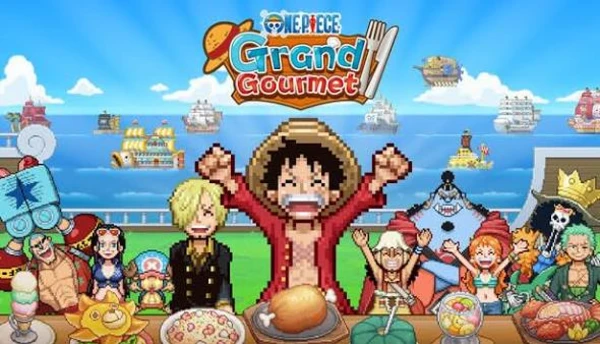
ONE PIECE: Grand Gourmet turns the Straw Hat Pirates’ adventures into a restaurant management game where cooking, interior design and customer relationships determine your success. Developed by Kairosoft and published by Bandai Namco Entertainment, the game launched in October 2026 for Android, iOS, PC, Nintendo Switch and Nintendo Switch 2. Players join Sanji, Luffy and their companions aboard Baratie Number Two, a floating restaurant established to restore the reputation of the original Baratie after an impostor business damages its name. Starting with a modest dining area, you gradually introduce new recipes, improve service, expand the restaurant and welcome familiar characters from the ONE PIECE universe. However, simply adding more tables or preparing expensive dishes will not guarantee success. Understanding how ingredients, meal sets, furniture, crew members and customer preferences work together is essential for building a successful restaurant.
How to Develop and Expand Your Floating Restaurant
Your first priority in ONE PIECE: Grand Gourmet is establishing a restaurant that can serve customers efficiently. The opening activities introduce dish development, furniture placement and travelling between sea areas. Early objectives include creating a main dish, placing three dining tables and relocating to an available destination. These activities demonstrate how restaurant management and exploration complement each other. Before investing heavily in decorations, ensure that your dining area has enough tables and that customers can access the facilities they need. Pay attention to the current Sea Area Goals, which provide direction when several upgrades become available simultaneously. Completing these objectives helps you progress through the adventure and reach additional locations, ingredients and visitors.
Restaurant expansion requires careful spending rather than purchasing every available decoration. Berries, the game’s familiar currency, are earned through restaurant sales and spent on furniture, facilities and other improvements. A useful early strategy is to prioritise items that improve customer comfort or help fulfil specific visitor requests. When placing furniture, check its area of effect instead of focusing entirely on appearance. Decorations can influence nearby tables, so one well-positioned item may benefit several dining spaces. Leaving approximately two tiles between tables gives you room to add useful furnishings later. This approach reduces the need to rearrange the restaurant whenever new objects become available, while allowing you to create different dining areas as your business grows.
Progress also depends on activities outside the restaurant. Travelling between sea areas introduces new opportunities, while outings allow crew members to search for ingredients, recipes and useful items. The restaurant can continue operating while characters are away, making exploration an important part of everyday management. It is worth sending available crew members on suitable outings rather than waiting until your existing ingredients run out. Some destinations become more productive as characters improve their abilities, and later areas can provide resources needed for additional dishes. When expansion becomes difficult, examine the reason before spending more money. You may need a particular recipe, a completed customer request, additional dining facilities or progress towards a Sea Area Goal rather than another decorative purchase.
Managing Crew Members, Facilities and Restaurant Comfort
The Straw Hat Crew contributes much more than familiar faces. Different characters support restaurant development through activities such as training, ingredient trading and construction. Zoro’s break room provides opportunities to improve crew abilities, which can help when exploring destinations that require stronger characters. Nami’s facilities support ingredient trading and resource management, while Franky plays an important role in construction and expansion. These functions become increasingly valuable as the restaurant grows. Instead of trying to develop everything simultaneously, consider which missing ability currently limits your progress. Training may be the best investment when outings produce poor results, while construction improvements become more important when additional furniture or space is needed.
Customer comfort deserves particular attention because it affects how efficiently your dining area operates. Furniture has different effects, and the arrangement around each table can influence the overall experience. A particularly useful early milestone is reaching comfort rank C at a table, which enables remote ordering and helps speed up service. This makes improving existing tables worthwhile before filling the restaurant with additional seating. Matching decorative themes can also provide comfort benefits, while some later furnishings improve the dining area without occupying valuable floor space. The game’s collection of more than 200 furniture, building and decorative items offers plenty of possibilities, but practical improvements should take priority over purely visual changes when resources are limited.
As more customers arrive, review whether your restaurant can accommodate their needs without unnecessary spending. Larger dining areas are not automatically better if the tables remain uncomfortable or the menu lacks suitable dishes. Customer requests can guide your next investments, particularly when a visitor wants a specific facility or decorative arrangement. Some characters may even establish speciality shops inside the restaurant, adding new activities and services. Completing requests can unlock additional items and opportunities, so they are worth checking regularly. A sensible development routine combines maintaining comfortable tables, training useful crew members, collecting resources and making targeted improvements. This creates steady progress without exhausting your budget on facilities that provide little immediate benefit.
Creating Recipes and Building Successful Set Menus
Cooking is one of the main activities in ONE PIECE: Grand Gourmet, and Sanji plays a central role in developing your culinary collection. New dishes are created through the Shop section by selecting the New Dish option. The process involves choosing a character with a cooking idea, selecting an available dish category, combining ingredients and choosing appropriate tableware. Once the recipe has been prepared and assessed, it becomes available for your restaurant. The game includes dishes inspired by the original series, such as Water-Water Meat BBQ and Sea King Penne Gorgonzola, alongside unusual creations influenced by Devil Fruit abilities. Not every ingredient combination produces the same result, making experimentation and the discovery of new cooking ideas important parts of progression.
Ingredients are collected through exploration and other activities, so successful recipe development begins before entering the kitchen. Regular outings help expand your ingredient collection, while meeting new characters can introduce additional culinary ideas. Having an ingredient does not necessarily mean that every associated recipe can immediately be prepared; the appropriate cooking idea and available options also matter. Rather than repeatedly attempting combinations without a clear objective, check which dishes are missing from your menu and whether particular customers have requested them. This provides a practical reason to search for specific ingredients. It also prevents valuable resources from being spent on dishes that offer little immediate benefit to your restaurant’s development.
Creating individual recipes is only one part of the cooking system. The game also allows players to arrange dishes into original set menus, combining different courses into a complete meal. These combinations can include a main dish, side dish, dessert and drink, allowing you to offer customers something more substantial than a single item. Compatible dishes can improve the value of a set, while presentation and decorative elements contribute to its appeal. As sets are sold, they develop further, giving you a reason to maintain successful combinations rather than constantly replacing everything. A varied collection of individual dishes also gives you greater flexibility when assembling menus for visitors with different culinary preferences.
How to Improve Menus and Use Ingredients Efficiently
Start building your menu around dishes you can reliably prepare instead of concentrating exclusively on elaborate recipes. A good early selection should provide enough variety to support meal sets while leaving room for new discoveries. When additional recipes become available, compare their usefulness with what is already being served. For example, introducing a dessert may be more valuable than preparing another main course if your existing sets lack variety. Similarly, a newly developed drink or side dish might complete a combination that customers find particularly appealing. Reviewing the menu after each successful cooking session helps you identify these opportunities and make better use of your available ingredients.
Presentation is another factor worth considering. During dish development, players can select tableware, while the set-menu system includes options for arranging meals and adding decorative touches. These details are part of the game’s cooking mechanics rather than purely visual extras. When experimenting with combinations, consider the relationship between the dishes and the resulting menu’s displayed qualities. A set assembled from suitable courses can be more useful than one containing individually impressive but poorly matched dishes. It is also sensible to keep proven combinations available while experimenting with alternatives. This provides customers with familiar choices while you gradually improve the menu instead of replacing successful offerings after every new recipe.
Recipe development should remain connected to customer requests and restaurant objectives. If a visitor is waiting for a particular dish, preparing it may help advance that relationship and provide rewards. If a Sea Area Goal requires additional culinary progress, developing new recipes becomes particularly valuable. Conversely, when your menu already satisfies current customers, spending time on exploration, staff training or dining-room improvements may produce better results. Some recipes depend on meeting particular characters or acquiring new ingredients, so returning to the kitchen after an outing is worthwhile. The most effective approach is to alternate between cooking and other activities, allowing new ingredients, recipes and customer feedback to influence each subsequent menu change.
Attracting New Visitors and Building a Loyal Customer Base
ONE PIECE: Grand Gourmet features more than 400 characters from the ONE PIECE universe, appearing as customers, staff members and participants in special events. Each visitor can bring different preferences concerning food, decoration and the restaurant’s atmosphere. This makes customer satisfaction a central part of progression. Serving an impressive meal is useful, but it may not be enough to persuade a character to become a regular visitor. You also need to consider whether the restaurant offers the environment or facilities they prefer. As your restaurant expands and you travel to additional sea areas, more characters become available to meet. Their requests provide valuable clues about which dishes and improvements deserve attention next.
Customer wishes are particularly important because fulfilling them can provide rewards and strengthen relationships. The Everyone’s Requests section allows you to review what visitors want, making it one of the most useful places to check when deciding what to do next. Some requests involve preparing particular dishes, while others relate to facilities or the restaurant’s development. Completing them can provide Berries, items and additional opportunities, helping you expand without relying entirely on ordinary meal sales. Satisfied visitors can become fans of your restaurant, and stronger relationships encourage them to return. Certain customers may also become available for recruitment or contribute to special activities, giving customer satisfaction practical benefits beyond simply increasing attendance.
Attracting visitors also involves making the restaurant appealing to different characters. The decorative collection includes designs inspired by locations such as Whole Cake Island, with its dessert-themed furnishings, and Egghead, known for its futuristic appearance. These themes give you ways to personalise the dining environment while responding to customer tastes. Rather than furnishing the entire restaurant in one style immediately, consider developing sections around the preferences of visitors you want to attract. Decorations near tables can affect comfort, so placement still matters. A carefully arranged themed area may provide more benefits than a large collection of unrelated objects. As new furnishings become available, you can gradually adjust existing spaces to suit a wider variety of guests.
Practical Strategies for Increasing Popularity and Maintaining Progress
Building a loyal customer base requires regular attention to the relationship between service, food and comfort. Begin by checking active customer requests, then identify which can be completed with your existing resources. A request requiring a dish you can already prepare is generally easier to address than one requiring several new facilities or ingredients from an unexplored area. Completing manageable requests first can provide resources for more demanding objectives. Meanwhile, keep your dining area comfortable and maintain a selection of established meal sets. This combination allows the restaurant to continue serving existing customers while you work towards attracting new ones. It also gives you a clear order of priorities whenever several improvements are competing for your attention.
Resource management becomes more important as the restaurant grows. Berries are earned through sales, while coins and hearts support other activities, including aspects of training, exploration and progression. Coins can be obtained through achievements and various rewards, making the Achievement List worth reviewing regularly. Hearts are connected to customer satisfaction and certain restaurant activities, and they can be spent on outings and improvements. Because these resources serve different purposes, having plenty of Berries does not necessarily mean you can complete every available objective. Before committing to an expensive upgrade, check which resource it requires and whether a customer request, achievement or other activity could provide what you need. This helps avoid unnecessary delays.
A useful routine is to review customer wishes, prepare or improve dishes, arrange necessary facilities, send crew members on outings and check the current sea objectives before progressing further. As your restaurant becomes more established, pay attention to new character interactions and special events, which provide additional reasons to maintain relationships with familiar visitors. Some customers can contribute more directly to the restaurant by joining the staff or opening speciality shops. Progress in ONE PIECE: Grand Gourmet therefore comes from connecting several relatively simple activities rather than pursuing a single upgrade path. A comfortable dining room, reliable menus, productive crew members and satisfied regulars provide the foundation for transforming Baratie Number Two from a modest floating café into a successful restaurant known throughout the seas.