
Racing Master — A Detailed Breakdown of a Modern Mobile Racing Simulator
Racing Master has established itself as one of the most technically ambitious mobile racing simulators available as of 2026. Developed with a clear focus on realism, licensed vehicles, and competitive online play, the title aims to bridge the gap between arcade racing and simulation-level mechanics on smartphones. This article provides a structured analysis of its gameplay systems, technical execution, and long-term value for players who expect more than casual driving mechanics.
Core Gameplay Mechanics and Driving Physics
At the heart of Racing Master lies a driving model that attempts to replicate real-world vehicle behaviour within the limitations of mobile hardware. Unlike traditional arcade racers, the game introduces weight transfer, tyre grip variations, and braking dynamics that require players to adjust their driving style depending on the car and track conditions.
The control system supports both simplified touch steering and more advanced options, including gyroscopic input and manual throttle control. This flexibility allows casual users to get started quickly, while experienced players can fine-tune their setup for better lap times and consistency during competitive races.
Vehicle handling differs significantly across classes, which adds depth to progression. High-performance cars demand precise braking points and careful throttle application, while lower-tier vehicles provide a more forgiving experience. This layered approach helps maintain engagement over longer play sessions.
Car Behaviour, Tuning, and Player Skill Progression
The tuning system in Racing Master goes beyond basic upgrades by allowing adjustments that directly impact vehicle behaviour. Suspension settings, tyre compounds, and gear ratios can influence performance on different tracks, making preparation as important as driving itself.
Skill progression is tied not only to unlocking faster cars but also to understanding how each vehicle responds under various conditions. Players gradually learn to manage oversteer, understeer, and braking efficiency, which becomes essential in higher-tier competitions.
This balance between mechanical upgrades and player skill ensures that success is not solely dependent on progression systems. Consistent performance often comes from mastering track layouts and optimising racing lines rather than relying on raw car power.
Graphics, Sound Design, and Technical Performance
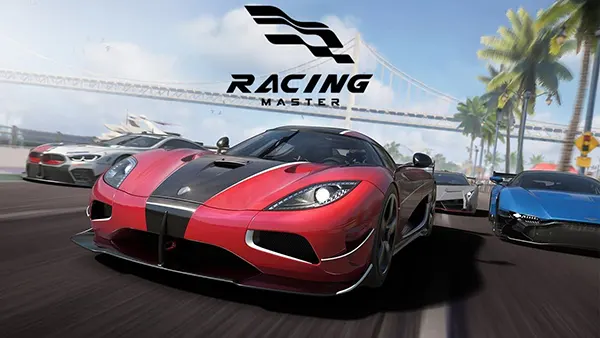
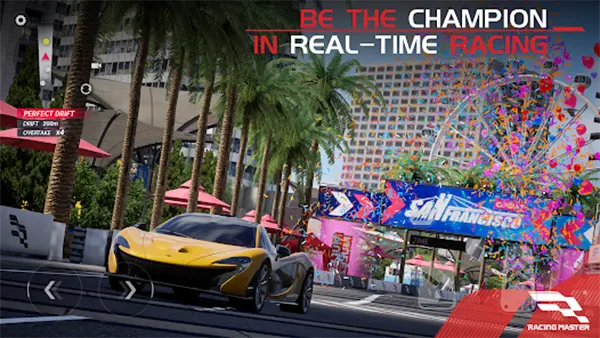
One of the defining features of Racing Master is its visual presentation. The game utilises advanced rendering techniques for mobile devices, including detailed car models, dynamic lighting, and realistic reflections. As of 2026, it remains among the more visually refined racing titles available on smartphones.
Track environments are designed with attention to real-world inspiration, featuring urban circuits, coastal roads, and professional race tracks. Environmental details, such as weather effects and time-of-day changes, contribute to immersion without significantly impacting performance on modern devices.
Sound design complements the visual experience with engine audio that varies across manufacturers and models. While not identical to console-level simulations, the differentiation between vehicles is noticeable and adds authenticity to gameplay sessions.
Optimisation Across Devices and Performance Stability
Racing Master demonstrates solid optimisation across a range of hardware configurations. On high-end devices, the game maintains stable frame rates with enhanced graphical settings, while mid-range smartphones can still run the game smoothly with adjusted visual parameters.
Load times and network stability have improved significantly in recent updates, reducing interruptions during multiplayer sessions. This is particularly important for ranked modes, where consistency is critical for competitive integrity.
The developers continue to release performance patches and graphical improvements, indicating long-term technical support. This ongoing optimisation helps the game remain relevant as mobile hardware evolves.
Multiplayer Modes, Progression Systems, and Longevity
Multiplayer functionality is central to Racing Master’s design. The game offers ranked races, seasonal competitions, and limited-time events that encourage regular participation. Matchmaking is generally balanced, pairing players based on skill level and progression.
The progression system is structured around unlocking new vehicles, upgrading existing ones, and participating in events. While some elements involve time-based rewards or in-game currency, players can still progress through consistent gameplay without relying heavily on purchases.
Seasonal updates introduce new content, including cars, tracks, and gameplay modes. This steady content cycle keeps the experience fresh and prevents stagnation, which is a common issue in mobile racing titles.
Competitive Balance and Long-Term Player Engagement
Maintaining competitive balance is a key challenge in Racing Master, particularly given the variety of vehicles and upgrade paths. The developers address this through regular adjustments to vehicle performance and matchmaking algorithms.
Long-term engagement is supported by a mix of short-term goals, such as daily challenges, and longer objectives like ranking progression and event participation. This layered system appeals to both casual players and those seeking competitive depth.
As of 2026, Racing Master continues to evolve with community feedback and technical updates. Its combination of realistic driving mechanics, strong visual presentation, and active multiplayer ecosystem positions it as a notable entry in the mobile racing genre.